Pavilions shopfront cleaning insider tips for Uxbridge businesses
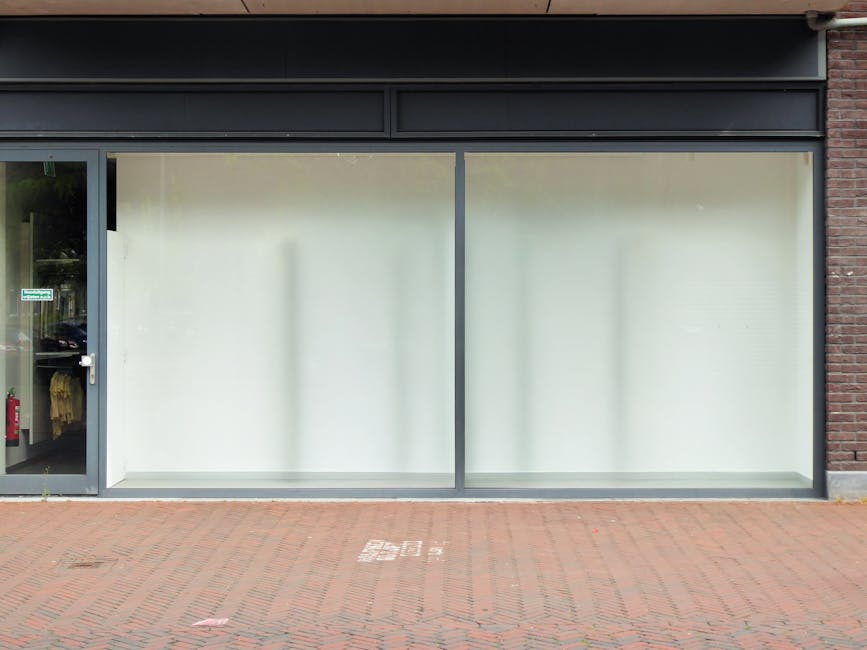
If you run a business around the Pavilions in Uxbridge, you already know the front of your premises does a lot of talking before you do. A dusty frame, streaky glass, scuffed signage, or a tired entrance can quietly lower footfall. On the other hand, a sharp, well-kept shopfront feels welcoming, trustworthy, and ready for trade. These Pavilions shopfront cleaning insider tips for Uxbridge businesses are designed to help you keep that first impression strong without wasting time, money, or effort.
Truth be told, most shopfronts do not need dramatic intervention every week. They need consistency, the right tools, and a little know-how about what actually makes the biggest visual difference. In this guide, you will find practical steps, local considerations, common mistakes, and a straightforward way to decide when a quick clean is enough and when a deeper reset makes more sense.
If you want a cleaner-looking frontage, fewer maintenance headaches, and a better experience for customers walking past on a wet Tuesday afternoon, you are in the right place.
Quick take: the best shopfront cleaning is not just about sparkling glass. It is about presenting the whole entrance neatly, safely, and consistently, so your business looks cared for even before anyone steps inside.
Why Pavilions shopfront cleaning insider tips for Uxbridge businesses Matters
Shopfront cleaning is one of those jobs people underestimate until it is neglected for a while. Then, suddenly, the fingerprints, water marks, dust lines, gum near the threshold, and traffic film on the glass seem to shout louder than your signage. Around a busy retail or service location in Uxbridge, that visual noise matters more than many owners expect.
Pavilions shopfront cleaning matters because the front elevation is part of your brand. Not just the logo, not just the display, but the whole feeling customers get as they approach. A clean frontage suggests order, care, and attention to detail. A messy one suggests the opposite, even if the service inside is brilliant.
For businesses in a busy local area, there is also the practical side. Dirt builds faster than people think. Pavements carry grit. Weather leaves streaks. Deliveries bring tyre marks and scuffs. On certain days, a shopfront can look tired by lunch. That is especially noticeable where passers-by are choosing between several similar businesses in one glance.
And there is a subtler point too. Clean shopfronts help staff feel better about the place they work in. Nobody wants to unlock a door each morning and face a grubby entrance. It is a small morale thing, but small things add up.
In short, this is not vanity. It is presentation, protection, and customer confidence rolled into one.
How Pavilions shopfront cleaning insider tips for Uxbridge businesses Works
Good shopfront cleaning is not just "wipe the glass and leave". A proper approach usually follows a simple pattern: inspect, remove loose debris, clean the frames and glass, detail the edges, and then check the result in daylight. That sounds obvious, but in practice the order matters a lot.
Most frontage cleaning starts with the highest-visibility surfaces. Glass takes the eye first, so streak-free window cleaning is usually the priority. But if the frames are grimy, the sill is dusty, or the doorway has black marks, the overall impression still falls flat. The trick is to clean the whole picture, not just the obvious bit.
In many cases, the best results come from using two different approaches at once:
- Routine light cleaning for fingerprints, light dust, and daily marks.
- Periodic deeper cleaning for built-up grime, weather staining, and neglected corners.
If your frontage faces road spray, heavy footfall, or lots of hand contact, you will likely need a slightly tighter cleaning rhythm. If it is more sheltered, the pace can be gentler. Simple enough. But the real difference is consistency. A decent routine done regularly beats a heroic scramble once a month. Every time.
Many Uxbridge businesses also benefit from pairing shopfront cleaning with broader exterior maintenance. For example, a retail unit may combine glass care with commercial cleaning inside, or use window cleaning as part of a wider presentation plan. That keeps the front and the interior aligned, which customers do notice, even if they do not mention it aloud.
Key Benefits and Practical Advantages
The strongest benefit is obvious: a cleaner frontage looks better. But there is more going on than looks.
- Stronger curb appeal: a tidy entrance draws the eye and encourages people to step closer.
- Better first impressions: customers often judge professionalism in seconds, especially on a busy high street.
- Less build-up over time: regular cleaning prevents stubborn grime from settling into frames, seals, and corners.
- Improved hygiene perception: even if the job is mostly cosmetic, a clean front feels more hygienic and cared for.
- Lower risk of damage: removing dirt, bird mess, and residue sooner can help protect finishes.
- Staff pride: a better front door often lifts the mood inside. It sounds small. It isn't.
There is also a commercial angle. In competitive local areas, a shopfront can be the difference between a walk-in and a walk-past. People may not consciously think, "This glass is spotless, therefore I trust them," but the brain is doing that kind of work in the background. Humans are funny like that.
If your business relies on footfall, browsing, or quick in-person enquiries, even a modest upgrade in frontage care can pay off in visibility and perceived quality. Not overnight, not magically, but steadily.
Who This Is For and When It Makes Sense
This guide is for any Uxbridge business with a visible frontage that customers see before they enter. That includes retail shops, salons, takeaways, estate agents, service counters, studios, clinics, and office receptions with glass or street-facing doors.
It makes particular sense if:
- your frontage faces a busy road or pedestrian route
- you get frequent fingerprints on the glass
- weather leaves marks quickly
- you rely on walk-ins rather than appointments alone
- your signage is good, but the presentation around it is letting you down
- you have just refurbished and want to keep the finish looking fresh
For some businesses, the need is daily or near-daily. A cafe or convenience store, for example, may need attention more often than a professional office tucked behind a quieter entrance. For others, weekly or fortnightly care may be enough. The point is not to clean for the sake of it. The point is to clean before dirt becomes part of the brand image.
It also makes sense when you are preparing for a seasonal push, a local event, a new display, or a change in trading hours. There is something quietly powerful about a renewed frontage just before a busier spell. It tells people you are ready.
Step-by-Step Guidance
Here is a practical way to approach shopfront cleaning without turning it into a massive operation.
1. Start with a quick visual inspection
Walk across the street if you can, or stand at a distance where a customer would first see the shop. What jumps out? Smears on the glass? Dust on the lower frame? A dirty threshold? The eye is often drawn to what you stop noticing when you pass the same doorway every day.
2. Clear loose dirt first
Use a soft brush or cloth to remove dust, grit, and loose debris from frames, ledges, handles, and the sill. If you skip this, you end up dragging dirt across the surface and making more work. Small step, big difference.
3. Clean the glass properly
Use a suitable glass cleaner or a mild solution that will not leave a film behind. Microfibre cloths are usually better than paper because they lift residue rather than spreading it around. Work from top to bottom so drips do not ruin finished sections.
4. Pay attention to frames, seals, and handles
This is where a lot of people go wrong. The glass may look fine, but the surrounding details are what make the frontage feel cared for. Metal handles, painted frames, and door edges often collect grease from hands and weather grime from repeated exposure.
5. Deal with stubborn marks carefully
Stickers, adhesive residue, dried splashes, and mineral spotting may need a little more patience. Use the right method for the surface. Force is rarely the answer. To be fair, most accidental damage happens when someone tries to rush a stubborn patch with the wrong pad or tool.
6. Check the result in daylight
Artificial lighting can hide streaks. Natural light is less forgiving, which is exactly why you should check there if possible. Early morning or late afternoon can be especially revealing, with that low light that catches every line and smear. Annoying, yes, but useful.
7. Repeat on a sensible schedule
Once the surface is clean, decide how often it needs light maintenance. For many businesses, the sweet spot is a little-and-often approach rather than waiting for visible build-up. That keeps the work quicker and cheaper over time.
Expert Tips for Better Results
Now for the insider bits. The things that make the finish look better, not just clean enough.
First, clean when the surface is cool if you can. Strong sun or warm glass can cause cleaner to dry too quickly, which makes streaking more likely. Overcast mornings are often easier. A bit dull, maybe, but excellent for results.
Second, use separate cloths for glass and frames. This avoids transferring grime from dirty edges back onto the clean pane. It sounds fussy until you see the difference.
Third, do the touchpoints with extra care. Handles, push plates, and lower door areas can look grubby even when the rest is spotless. Customers touch those points and notice them subconsciously.
Fourth, think in zones. If your frontage includes display glass, doors, trims, signage, and a small threshold area, clean them in the same visit. A clean display behind a dirty sill looks unfinished.
Fifth, keep a tiny touch-up kit on site. A microfibre cloth, a spare spray bottle, and a soft detailing brush can rescue the front of the shop in two minutes before a busy period or a customer meeting.
Sixth, photograph the result. A quick before-and-after picture is oddly useful. It helps you spot what your eye missed and makes it easier to maintain a standard. Not glamorous, but effective.
And one more thing: if you run a business with frequent opening and closing during the day, make sure staff know the difference between a quick touch-up and a full clean. That saves everyone from random over-cleaning of the same pane while another area stays untouched. Classic human behaviour, really.
Common Mistakes to Avoid
Most shopfront cleaning mistakes are simple, but they can be surprisingly costly in time or appearance.
- Using too much product: more cleaner does not equal better results. It often leaves residue.
- Ignoring the edges: grime hides in seals, corners, and frame joints, then creeps back onto the glass.
- Cleaning in the wrong weather: direct heat or wind can cause streaks and uneven drying.
- Forgetting the threshold: a clean door with a dirty entrance floor looks odd and unfinished.
- Mixing harsh chemicals without guidance: that can damage finishes and create safety risks.
- Leaving routine cleaning too long: once dirt hardens, the job gets harder and the results less consistent.
One particularly common issue is assuming all surfaces can be treated the same way. Glass, powder-coated frames, painted timber, aluminium, and signage materials can all react differently. If in doubt, test carefully on a small hidden area first. A cautious minute can save a very awkward afternoon.
Another mistake is not assigning ownership. If everyone thinks someone else is dealing with the frontage, nobody does. It is a tiny management problem with very visible consequences.
Tools, Resources and Recommendations
You do not need a van full of specialist kit to keep a decent shopfront. Most of the time, a small and well-chosen set of tools is enough.
| Item | Why it helps | Best use |
|---|---|---|
| Microfibre cloths | Lift dirt and reduce streaking | Glass, handles, frames, quick touch-ups |
| Soft brush | Removes loose grit without scratching | Thresholds, sill edges, corners |
| Bucket and mild cleaner | Useful for more thorough routine work | Frames, door panels, stubborn marks |
| Squeegee | Helps achieve a smooth finish on larger panes | Shop windows and display glass |
| Detailing cloth | Good for edges and final wipe-downs | Seals, trims, handles, logo areas |
If you prefer to outsource the work, it helps to compare service frequency, detail level, and whether the provider includes frames and entrance touchpoints or just the glass. Some businesses want a simple shine. Others need a more complete frontage care plan, especially if they are close to traffic or exposed to weather.
It can also be useful to pair frontage care with related services when the site needs broader attention. For example, if the entrance area has built-up dirt from footfall, a deeper clean may be more effective alongside deep cleaning or, for businesses focused on a tidy public-facing environment, regular cleaning. If the issue is more about broader premises presentation, many owners look at office cleaning too.
For businesses reviewing budgets, it is sensible to ask what is included rather than assuming everything visible is covered. That one question can avoid disappointment later. Simple, but honestly one of the best questions you can ask.
Law, Compliance, Standards, or Best Practice
For most shopfront cleaning, the key compliance themes are safety, access, and sensible working practice. Exact duties depend on the setting, the cleaning method, and who is carrying out the work, so it is wise to treat this as practical guidance rather than legal advice.
In normal UK business settings, a few best-practice points matter:
- Use cleaning products safely and follow manufacturer guidance.
- Store chemicals properly so they are not accessible or mixed accidentally.
- Avoid creating slip hazards around entrances and public walkways.
- Keep the area clear while work is being done, especially where customers or delivery drivers pass through.
- Train staff or contractors to understand the surfaces and materials they are cleaning.
If ladders, reach tools, or exterior access are involved, the job becomes more than a simple wipe-down. That is where planning and safe working matter. In those cases, businesses often prefer a contractor with clear procedures, proper insurance, and an approach that fits the site rather than a one-size-fits-all method.
It is also sensible to think about environmental responsibility. Many companies now prefer cleaning approaches that reduce waste, avoid unnecessary harsh chemicals, and align with local sustainability goals. If that matters to your brand, you may want to review recycling and sustainability as part of your wider facilities planning.
And if you are comparing providers, don't be shy about checking practical details such as insurance, safety arrangements, and service terms. Those pages are there for a reason. A decent operator should be able to explain how they work without sounding evasive. If they can't, that's a hint.
Options, Methods, or Comparison Table
Different businesses need different levels of frontage care. The best method depends on traffic, visibility, material type, and how much presentation matters day to day.
| Method | Best for | Pros | Limitations |
|---|---|---|---|
| Light daily touch-up | High-footfall entrances | Fast, keeps surfaces presentable | Does not remove heavy build-up |
| Weekly routine clean | Most small businesses | Balances cost and appearance | Needs consistency |
| Deep frontage clean | Built-up grime or seasonal reset | More thorough, better detail | Takes longer, may cost more |
| Professional scheduled service | Busy or visible premises | Reliable, polished result | Requires planning and budget |
Practical rule of thumb: if customers can see it easily from the street, it probably needs more frequent attention than you think. If a mark is visible from five metres away, it is already a problem. If only staff can see it, you may be able to leave it for the next scheduled clean. That sounds harsh, but it is how most owners naturally prioritise once they step back and look honestly.
Case Study or Real-World Example
Imagine a small independent business in Uxbridge with a glass front, a painted frame, and a busy door that gets touched all day. Nothing dramatic. Just a normal local setup. By midweek, the lower pane has handprints, the threshold has grit, and the frame has a dull film from traffic and weather.
The owner used to do a bigger clean once in a while, usually when things had already started to look rough. The problem was that "once in a while" kept slipping. The frontage never looked disastrous, but it never looked consistently sharp either.
So they changed the routine. First, a quick morning wipe of the entrance glass and handles. Then a weekly detail clean on frames, edges, and threshold. Finally, a deeper clean every so often to reset the whole frontage. Nothing fancy. Just structure.
The result was noticeable within a couple of weeks. Passers-by saw a brighter entrance, staff had less to worry about, and the owner stopped feeling the need to do emergency touch-ups before every meeting. That last part matters more than people admit. Having a tidy front can take a small weight off your shoulders.
What changed most was not the equipment. It was the rhythm.
Practical Checklist
Use this simple checklist to keep your frontage looking sharp.
- Inspect the frontage from a customer's point of view
- Remove loose dirt and dust from frames and sills
- Clean the glass with the right cloth and solution
- Wipe handles, push plates, and other touchpoints
- Check seals, corners, and lower edges for hidden grime
- Clean the threshold and immediate entrance area
- Review for streaks in daylight before finishing
- Set a realistic maintenance schedule
- Brief staff so touch-ups are consistent
- Escalate to a deeper clean when the build-up starts to return
Helpful reminder: the cleanest-looking shopfront is usually the one that never gets too dirty in the first place.
Conclusion
Pavilions shopfront cleaning for Uxbridge businesses is really about protecting the way people experience your brand before they walk through the door. Get the glass right, yes, but do not stop there. Frames, handles, thresholds, and small details all contribute to the overall impression, and those details are often what customers remember, even if only in passing.
The good news is that a strong result does not require perfection. It requires rhythm, attention, and a sensible method that fits your site. Start small if you need to. Keep it regular. And when in doubt, look at the frontage as a stranger would. That viewpoint is inconvenient, but brilliant.
If your entrance currently feels a bit tired, a simple reset can go a long way. You do not need to make a song and dance of it. Just make it look cared for. That is usually enough.
Get a free quote today and see how much you can save.
And once the front of the shop looks right, it often feels like the whole business stands a little taller. Funny how that works.
Frequently Asked Questions
How often should Uxbridge businesses clean a Pavilions shopfront?
It depends on foot traffic, weather exposure, and how visible the frontage is. Many businesses benefit from light weekly maintenance, with more frequent touch-ups for high-traffic doors and display glass.
What is the most important part of shopfront cleaning?
The glass is usually the first thing people notice, but the frames, handles, and threshold matter just as much. A clean pane next to a dirty frame still looks unfinished.
Can I clean a shopfront myself, or should I hire a professional?
Small frontage cleaning jobs can often be done in-house if the surfaces are easy to reach and the materials are straightforward. A professional service makes more sense when the frontage is large, exposed, hard to reach, or needs a more polished result.
What causes shopfront glass to look streaky?
Common causes include too much cleaning product, dirty cloths, cleaning in hot sun, or not drying the surface properly. Using a clean microfibre cloth and the right technique usually helps a lot.
Do frames and doors need as much attention as the glass?
Usually yes. Customers may not say it out loud, but they notice dirty edges, greasy handles, and marked door frames. Those details affect the overall impression more than many people expect.
What should I avoid using on delicate shopfront materials?
Avoid harsh abrasives or strong chemicals unless you know the material can handle them. Painted timber, coated metal, and signage finishes can be damaged by the wrong product or tool.
Is there a best time of day to clean a shopfront?
Cooler times of day are often easier because glass dries more evenly. Overcast mornings are usually better than strong midday sun, which can leave streaks.
How do I keep a shopfront looking clean between full cleans?
Use a small touch-up kit, wipe high-contact areas regularly, and deal with marks before they build up. A little and often routine is far easier than waiting for the frontage to look tired.
What should I ask a cleaning company before booking?
Ask what is included, how often they recommend cleaning, whether frames and thresholds are covered, and how they handle safety. Clear answers are a good sign.
Can shopfront cleaning help attract more customers?
It can support footfall by improving first impressions and making your business look active, cared for, and welcoming. It will not fix a weak offer, of course, but it does help people feel more confident approaching your premises.
Does shopfront cleaning need to follow any specific UK rules?
There is no one-size-fits-all rule for every frontage, but cleaning should be carried out safely, with sensible product use, proper access planning, and attention to slip risks. If contractors are involved, insurance and safe working practices should be part of the picture.
What is the biggest mistake businesses make with shopfront cleaning?
Leaving it too long. Once grime builds up, the job takes more effort and the frontage starts to look neglected. Regular care is easier, cheaper, and much more effective.