Communal Area Cleaning for Safer, Healthier Shared Spaces
Communal area cleaning is one of the most important services for keeping shared buildings pleasant, hygienic, and welcoming. Whether you manage a block of flats, a residential development, an office complex, or a mixed-use property, the condition of entrances, hallways, stairwells, lifts, and other shared spaces has a direct impact on comfort, safety, and first impressions. A well-planned communal area cleaning routine helps reduce dust, grime, odors, and visible mess while supporting a more professional and cared-for environment.
In modern property management, communal area cleaning is not just about appearance. It also plays a role in hygiene, maintenance, and resident satisfaction. Shared areas experience frequent foot traffic, so dirt builds up quickly. Without regular cleaning, these spaces can become unhygienic, slippery, and uninviting. A structured cleaning schedule helps protect surfaces, extend the life of building fixtures, and make the environment more enjoyable for everyone who uses it.
Many people only notice communal area cleaning when it is missing. Fresh floors, dust-free ledges, polished handrails, and clean glass all work quietly in the background to create a positive atmosphere. When these areas are neglected, the difference is immediate. That is why property owners, landlords, and managing agents increasingly treat communal area cleaning as an essential part of ongoing building care rather than an optional extra.
 Why Communal Area Cleaning Matters
Communal area cleaning matters because shared spaces are used by many people throughout the day. Foot traffic brings in dust, mud, litter, moisture, and germs. In apartment blocks and commercial buildings, one untidy area can affect how the entire property feels. Clean communal areas send a clear message that the building is managed properly and that residents, visitors, or staff are valued.
From a practical standpoint, regular communal area cleaning can reduce safety risks. Spills on floors, debris on stairs, and clutter in entrances can all create hazards. Good cleaning practices help prevent slips, trips, and falls. This is especially important in high-traffic areas such as stairwells, corridors, lobbies, shared kitchens, and reception zones.
There is also a long-term maintenance benefit. Dust and dirt may seem minor, but over time they can damage finishes, stain flooring, and wear down surfaces. Consistent communal area cleaning protects carpets, vinyl, stone, wood, glass, and metal fixtures, helping property managers avoid premature repair and replacement costs.
What Communal Area Cleaning Typically Includes
Every property is different, but most communal area cleaning services focus on the shared parts of a building that are used by multiple occupants. These areas often need frequent attention because they accumulate visible and invisible dirt very quickly.
- Entrance halls and reception areas
- Corridors and hallways
- Staircases and landings
- Lifts and lift lobbies
- Shared kitchens and break areas
- Bin stores and refuse points
- Internal windows and glass panels
- Skirting boards, handrails, and door handles
Depending on the building, communal area cleaning may also include vacuuming carpets, mopping hard floors, sanitizing touchpoints, removing litter, dusting surfaces, cleaning mirrors, and reporting maintenance issues. In some properties, cleaners may also handle light external duties such as sweeping entrance steps or tidying immediate doorways.
Well-organized cleaning of communal spaces is not just about making things look neat for a few hours. It is about maintaining a consistently clean environment that supports everyday use and reduces complaints from residents, tenants, or staff.
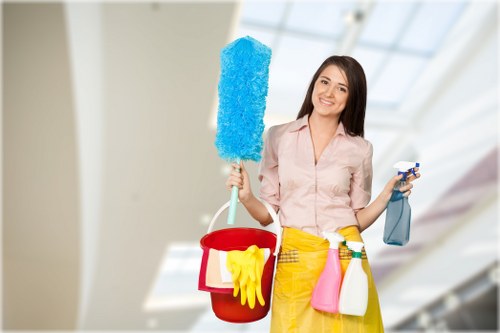 Common Tasks in Shared Space Cleaning
The exact checklist for communal area cleaning should be tailored to the building type. However, several tasks are commonly included in most schedules because they help maintain a high standard of cleanliness and presentation.
Daily and Weekly Tasks
Many buildings benefit from daily or weekly cleaning of the most heavily used areas. This often includes sweeping and mopping floors, removing litter, wiping down bannisters, cleaning lift buttons, and ensuring entrances remain free from debris. In buildings with higher occupancy, these tasks may need to be performed more frequently.
Dusting ledges, skirting boards, and door frames is another key part of communal area cleaning. These places often collect dirt where people do not immediately notice it, yet they affect the overall impression of the building. Cleaners also often focus on touchpoints such as handles, rails, intercom panels, and light switches because they are commonly touched throughout the day.
Regular cleaning schedules support both hygiene and appearance. When the same standards are maintained across the building, residents and visitors can move through shared spaces with confidence and comfort.
 Deep Cleaning and Periodic Maintenance
Alongside routine work, communal area cleaning should also include occasional deep cleaning. This may involve shampooing carpets, machine scrubbing hard floors, cleaning grout, polishing stainless steel, washing internal windows, and removing marks from walls or doors. Deep cleaning helps restore a fresher appearance and tackles grime that regular maintenance may not fully remove.
Periodic work is especially useful in high-traffic buildings where dirt builds up in corners, edges, and less visible areas. It can also be important after seasonal changes, refurbishment work, or periods of heavy use. A balanced cleaning plan combining daily upkeep and occasional intensive care usually delivers the best results.
Benefits of Professional Communal Area Cleaning
Hiring a professional team for communal area cleaning offers several important benefits. First, it saves time for building managers and residents who may otherwise struggle to keep shared areas in good condition. A trained cleaner knows how to work efficiently, use the right products, and follow a reliable routine.
Second, professional cleaners bring consistency. A shared building often needs the same standard day after day, and professional communal area cleaning services are designed to deliver that consistency. This is especially useful in blocks of flats, offices, and mixed-use developments where different people have different expectations, but everyone benefits from a clean environment.
Third, specialist cleaners can identify issues early. During communal area cleaning, they may notice damaged fixtures, leaking pipes, broken lights, or blocked access points. Reporting these issues promptly helps building managers respond before minor problems become expensive repairs.
In addition, professionally managed communal area cleaning can improve resident satisfaction. People generally feel better about a building when they see that entrances are clean, bins are managed properly, and floors are regularly maintained. That improved perception can contribute to stronger occupancy retention and fewer complaints.
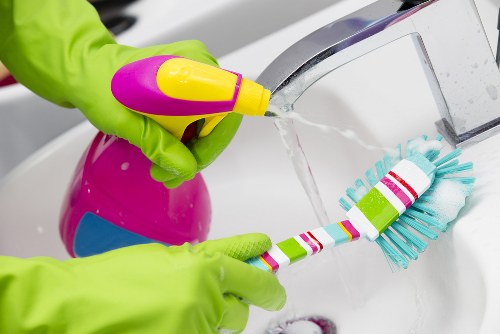 Hygiene, Safety, and Presentation
The best communal area cleaning services balance three priorities: hygiene, safety, and presentation. A building may look tidy on the surface, but if touchpoints are dirty or floors are slippery, the job is not truly complete. Likewise, a spotless floor is less effective if the bin area smells bad or the lift buttons are covered in fingerprints.
Communal Area Cleaning in Residential Buildings
In residential settings, communal area cleaning plays a central role in day-to-day living. Residents use shared entrances, hallways, staircases, and lift areas multiple times each day. These spaces need to remain clean, safe, and welcoming so that people feel comfortable coming home.
For apartment blocks and housing complexes, communal area cleaning often includes removing leaves and debris from entrances, cleaning handrails, polishing glass, vacuuming carpets, and keeping bin rooms hygienic. It may also include checking for odours, spills, or pest-related signs. A clean residential environment supports a sense of pride in the property and can reduce tensions between neighbours and management.
Residential communal area cleaning is also important for families, older adults, and vulnerable residents who may be more affected by poor hygiene or unsafe walking surfaces. Clean floors, clear pathways, and well-maintained shared spaces help create a building that feels accessible and cared for.
- Improves the overall living experience
- Reduces buildup of dust and grime
- Supports safer movement around the property
- Helps preserve flooring and fixtures
When residents see that common spaces are looked after regularly, they are more likely to treat the property with respect as well. That positive cycle can make a noticeable difference over time.
Communal area cleaning in residential buildings is therefore both a practical service and a visible sign of good management.
Communal Area Cleaning in Commercial and Mixed-Use Buildings
Commercial buildings and mixed-use properties often need even more detailed communal area cleaning because traffic levels are higher and usage patterns are more varied. Offices, retail units, co-working spaces, and shared business premises all generate different types of dirt and wear. Staff, customers, suppliers, and visitors may all pass through the same areas every day.
In these settings, communal area cleaning should be designed around business hours and peak usage periods. Lobbies, lifts, washrooms, meeting areas, and internal walkways may require frequent attention. Cleaners may also need to address fingerprints on glass, dust on display surfaces, and marks on walls or reception counters.
Mixed-use properties add another layer of complexity because residential and commercial users may have different expectations. A professional approach to communal area cleaning helps keep the building balanced, ensuring that shared access points, corridors, and entrances remain presentable for everyone who uses them.
Key Priorities for Business Properties
In commercial environments, presentation is closely linked to reputation. A clean lobby or reception area can influence how clients, customers, and tenants view the property. At the same time, safety standards remain essential. Wet floors, blocked corridors, and dirty surfaces can create both operational and reputational problems.
Reliable communal area cleaning supports a smooth-running workplace and helps maintain a professional image throughout the building.
Choosing the Right Communal Area Cleaning Schedule
One of the most important decisions in communal area cleaning is how often the service should take place. The right schedule depends on building size, traffic levels, flooring type, seasonal conditions, and the expectations of residents or tenants. A small block with limited occupancy may only need a few visits per week, while a busy commercial site may need daily or even multiple daily cleans.
An effective schedule usually includes a mix of routine and periodic tasks. Routine work keeps the building tidy from day to day, while periodic deep cleaning addresses areas that need more intensive attention. This combination helps ensure that communal area cleaning is both efficient and effective.
When planning a schedule, managers should consider the following factors:
- Number of users passing through the shared areas
- Type of flooring and surfaces present
- Seasonal weather impacts such as mud, rain, or salt
- Waste collection and bin storage arrangements
- Special requirements for hygiene-sensitive environments
Buildings with pets, children, or high visitor turnover may need more frequent cleaning in entrances and corridors. Likewise, properties with carpeted communal spaces can benefit from more regular vacuuming and spot treatment to prevent staining.
 Creating a Practical Cleaning Plan
A practical communal area cleaning plan should be clear, realistic, and easy to follow. It should identify which tasks are done, how often they happen, and what areas receive priority attention. This improves accountability and makes it easier to maintain the same standard over time.
What Makes High-Quality Communal Area Cleaning?
High-quality communal area cleaning is visible in the details. Floors are clean, but also free from streaks. Surfaces are dusted, but also carefully wiped in edges and corners. Glass is clear, but also free from smears. The best results come from a combination of attention to detail, good equipment, suitable cleaning products, and a well-trained team.
Another sign of quality is reliability. A property may look great after one deep clean, but if the service is inconsistent, the standard quickly drops. High-quality communal area cleaning means the same tasks are completed properly each time, and the service adapts to the changing needs of the building.
Communication is also important. A strong cleaning provider should be able to respond to issues, adjust schedules when necessary, and work in a way that suits the property. Cleaners who understand the layout of the site and the expectations of its users can deliver much better results than those following a generic routine.
Attention to detail, consistency, and responsiveness are the hallmarks of excellent communal area cleaning.
Useful Quality Indicators
- Clean, well-maintained floors without residue
- Dust-free surfaces and corners
- Fresh-smelling communal areas
- Properly sanitized touchpoints
- Timely reporting of maintenance concerns
When these elements are in place, communal area cleaning becomes a genuine asset to the property rather than just a routine task.
How Communal Area Cleaning Supports Health and Wellbeing
Clean shared areas can have a positive effect on health and wellbeing. Dust, mould, waste, and germs can all accumulate in common areas if they are not maintained properly. While cleaning does not eliminate every risk, it significantly reduces the chance of unpleasant odors, allergens, and visible contamination.
This is especially relevant in communal spaces where people interact closely or touch the same surfaces throughout the day. Door handles, lift buttons, railings, and entry systems are common touchpoints that benefit from regular cleaning and sanitizing. A thoughtful communal area cleaning routine helps create a more hygienic environment for everyone.
Well-maintained surroundings can also influence mood and stress levels. People are generally more relaxed and comfortable in clean spaces. In residential buildings, that can support a calmer living environment. In workplaces, it can contribute to better morale and a more professional atmosphere.
Clean shared spaces are not only visually pleasing; they also support daily comfort, reduce unnecessary stress, and encourage better habits among users.
Sustainable Approaches to Communal Area Cleaning
Many property managers now want communal area cleaning to be effective and environmentally responsible. Sustainable cleaning practices can reduce waste, limit chemical overuse, and improve efficiency without compromising results. This can include using concentrated products correctly, choosing microfiber tools, and selecting methods that require less water where appropriate.
Energy-efficient equipment and better planning can also make a difference. For example, cleaning teams can reduce unnecessary visits to low-use areas while increasing attention to entrances or high-traffic zones. This kind of targeted approach keeps standards high and avoids wasted effort.
Good sustainability practices in communal area cleaning may include:
- Using eco-conscious cleaning products where suitable
- Minimizing single-use materials
- Recycling waste correctly from shared bin areas
- Following efficient routes and schedules
- Training staff to use products accurately and safely
These methods can support a cleaner building and a more responsible cleaning strategy. For many clients, that is an increasingly important part of choosing a service provider.
Book your service now if you want a cleaner, healthier, and better-managed shared environment.
Signs It Is Time to Improve Your Communal Area Cleaning
Sometimes the need for better communal area cleaning becomes obvious. If residents or tenants regularly complain about dirty floors, unpleasant smells, overflowing bins, or dusty surfaces, the current routine may not be sufficient. Visible litter, sticky spots, and repeated marks on walls can also indicate that the schedule needs review.
Other signs include poor presentation in entrance areas, neglected staircases, or surfaces that quickly become dirty again after cleaning. In some cases, the issue is not the cleaning itself but the frequency, the methods used, or the lack of detail in the checklist. Reviewing the current approach can reveal where improvements are needed.
It is also worth reassessing communal area cleaning after changes in occupancy, building use, or weather patterns. A property that once needed weekly cleaning may now require more frequent attention. Seasonal mud, increased visitors, or expanded business activity can all affect the right cleaning routine.
When standards start to slip, acting early can prevent bigger problems later. A well-timed update to the cleaning schedule often makes a visible difference quite quickly.
Final Thoughts on Communal Area Cleaning
Communal area cleaning is essential for keeping shared properties safe, hygienic, and attractive. It protects the condition of floors and fixtures, improves the experience of everyone who uses the building, and supports a more professional image. Whether the space is residential, commercial, or mixed-use, regular cleaning makes a real difference to everyday life.
The most effective communal area cleaning services combine routine upkeep, periodic deep cleaning, and careful attention to detail. They adapt to the needs of the property, focus on high-touch areas, and help prevent small problems from becoming larger issues. For property managers and building owners, this is one of the simplest ways to maintain quality and build confidence in the space.
If your shared spaces need a higher standard of care, now is the right time to take action. Contact us today to improve cleanliness, safety, and presentation across your building. Book your service now and give your communal spaces the attention they deserve.
Communal area cleaning is more than a routine chore. It is an investment in comfort, hygiene, and long-term property value.