Domestic Cleaning in Modern Homes: Practical Standards for a Cleaner, Healthier Living Space
Why Domestic Cleaning Matters More Than Ever
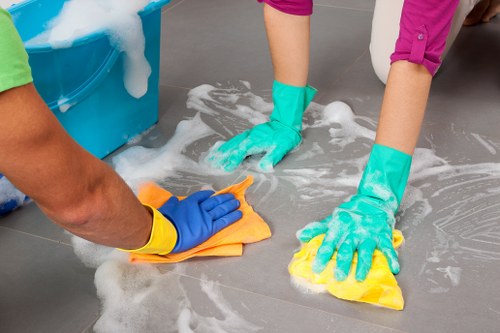
Domestic cleaning is more than a routine chore; it is a foundational part of maintaining a healthy, comfortable, and welcoming home. In busy households, dirt, dust, crumbs, spills, and clutter can build up quickly, affecting not only appearance but also hygiene and air quality. A well-planned domestic cleaning routine helps reduce allergens, supports better organization, and creates a space that feels calm and inviting.
For many households, domestic cleaning also plays a major role in protecting surfaces, furniture, flooring, and appliances from long-term wear. When cleaning tasks are done regularly and correctly, they can prevent stubborn stains, reduce grime buildup, and extend the life of household items. That is why domestic cleaning should be seen as an investment in the home rather than just another task on the to-do list.
In today’s fast-paced world, families, professionals, and property owners are increasingly looking for efficient ways to manage domestic cleaning without sacrificing quality. Some prefer daily upkeep, while others schedule weekly or monthly deep cleaning. Whatever the approach, the goal remains the same: a cleaner environment that supports well-being and reflects care and attention.
What Domestic Cleaning Includes
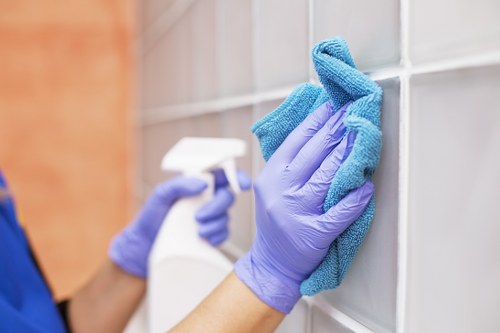
Domestic cleaning covers a wide range of tasks designed to keep a home tidy, sanitary, and pleasant. It can include dusting, vacuuming, mopping, wiping surfaces, sanitizing bathrooms, kitchen cleaning, trash removal, laundry support, and general tidying. Some homes may also need additional attention such as upholstery care, window cleaning, and floor polishing.
At its core, domestic cleaning is about consistency. A home that receives regular attention is easier to maintain than one that is cleaned only when problems become visible. This is why many homeowners create routines based on room type, frequency of use, and seasonal needs. For example, kitchens and bathrooms may require more frequent domestic cleaning than guest rooms or storage areas.
It is also important to recognize that domestic cleaning can be customized. A single apartment will not have the same cleaning demands as a large family home. Likewise, households with pets, young children, or allergy sufferers may prioritize disinfecting, dust control, and floor hygiene more heavily. The flexibility of domestic cleaning makes it suitable for nearly every living situation.
Benefits of a Regular Domestic Cleaning Routine
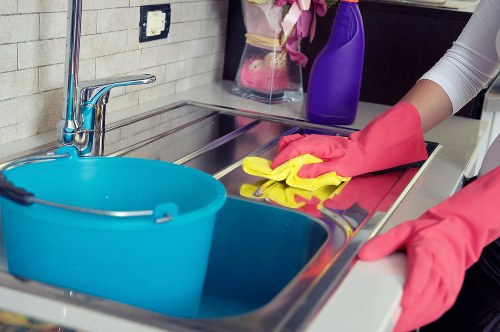
One of the most obvious benefits of domestic cleaning is improved appearance. A clean home looks brighter, feels fresher, and creates a positive impression for residents and visitors alike. But the advantages go far beyond aesthetics. A consistent domestic cleaning schedule can reduce dust mites, mold growth, bacteria, and other common household contaminants.
Another major benefit is stress reduction. Clutter and dirt can make a home feel chaotic, while clean and organized rooms often support a more peaceful mindset. Many people find that domestic cleaning helps them feel more in control of their environment, which can improve focus and daily productivity. A tidy home can also make it easier to find belongings and complete routines more efficiently.
Domestic cleaning can even help homeowners save money over time. When surfaces are properly maintained, they are less likely to deteriorate prematurely. Regular care can prevent costly damage to flooring, countertops, fabrics, and appliances. In this sense, domestic cleaning is both practical and protective.
- Improved indoor hygiene
- Reduced allergens and dust buildup
- Better organization and less clutter
- Longer lifespan for furnishings and finishes
- More comfortable everyday living
Essential Areas to Focus on in Domestic Cleaning

Although every household is different, some areas always deserve special attention in domestic cleaning. Kitchens, bathrooms, living rooms, bedrooms, and entryways all collect dirt in different ways. Understanding how each room functions can help you clean more effectively and avoid missing important tasks.
Kitchens often need the most detailed domestic cleaning because they are used for food preparation and dining. Countertops, sinks, appliances, cabinet handles, and floors can all harbor grease, crumbs, and germs. Keeping this area clean not only improves hygiene but also supports safer cooking and food storage.
Bathrooms require frequent cleaning because they are high-moisture spaces where soap scum, limescale, and bacteria can build up quickly. Toilets, showers, mirrors, sinks, and tiled surfaces should be cleaned and sanitized regularly. Good ventilation also helps support cleaner conditions and reduce moisture-related problems.
Other Important Areas
Living rooms and bedrooms are often less visibly messy, but they still accumulate dust on furniture, electronics, curtains, and floors. Entryways also collect outdoor dirt, making them an important part of domestic cleaning. By focusing on high-use zones first, households can maintain a noticeably cleaner environment with less effort.
Daily, Weekly, and Monthly Domestic Cleaning Tasks
A practical domestic cleaning routine usually works best when it is broken into manageable timeframes. Daily tasks help maintain order, weekly tasks provide a deeper reset, and monthly tasks address areas that are often overlooked. This structure makes domestic cleaning feel more achievable and prevents large buildup.
Daily Tasks
Daily domestic cleaning can include making beds, wiping counters, washing dishes, sweeping kitchen floors, and putting items back in their proper places. These simple habits can keep a home looking neat and reduce the amount of work needed later in the week. Even 10 to 15 minutes a day can make a noticeable difference.
Weekly Tasks
Weekly domestic cleaning often covers vacuuming, mopping, changing bed linens, cleaning bathrooms, dusting surfaces, and disinfecting frequently touched areas. This is usually the right time to tackle more noticeable grime and restore the home to a fresh baseline. Many households use weekends for these tasks because they offer more flexibility.
Monthly Tasks
Monthly domestic cleaning should focus on deeper jobs such as cleaning behind appliances, washing windows, wiping skirting boards, cleaning vents, and decluttering storage spaces. These tasks are easy to postpone, but they are essential for keeping a home in excellent condition. A monthly checklist can help ensure nothing is forgotten.
Domestic Cleaning Methods That Deliver Better Results
Good domestic cleaning is not only about frequency; it is also about technique. Using the right approach can make cleaning faster, more effective, and less physically demanding. One of the best strategies is to clean from top to bottom so dust and debris fall onto areas that have not yet been cleaned. Starting with shelves, light fixtures, and higher surfaces makes the entire process more efficient.
Another smart method is to work from one side of the room to the other. This helps avoid missing spots and keeps the cleaning flow organized. In many homes, it also makes sense to clean dry messes before wet ones. Dusting and vacuuming before mopping, for example, prevents dirt from spreading across freshly cleaned floors.
Microfiber cloths, quality mops, and appropriate cleaning products can also improve results. Using the right tool for the surface is one of the simplest ways to protect your home. Wood, glass, tile, stainless steel, and fabric each respond differently to cleaning agents, so it is important to choose wisely.
- Clean from top to bottom
- Move room by room
- Dry dust before wet cleaning
- Use suitable products for each surface
- Allow time for drying and ventilation
How to Make Domestic Cleaning Easier for Busy Households
For busy families and professionals, domestic cleaning can feel overwhelming when it is treated as one large task. The solution is to make cleaning smaller, more regular, and easier to manage. A few well-placed habits can reduce the burden significantly and make a home easier to maintain throughout the week.
One effective approach is the “clean as you go” habit. This means wiping surfaces after cooking, putting items away immediately, and handling small spills before they become bigger problems. Another helpful strategy is assigning tasks to different household members, especially in family homes where shared responsibility keeps domestic cleaning more balanced.
Decluttering also makes a major difference. When surfaces are crowded with unnecessary items, cleaning takes longer and becomes more frustrating. By reducing visual clutter, you make it easier to dust, wipe, and organize. A simpler space is often a cleaner space.
Time-Saving Habits
To save time, keep cleaning supplies in convenient locations, maintain a basic checklist, and focus on the most-used areas first. Setting a timer for short cleaning bursts can also help increase productivity without causing burnout. These small adjustments can make domestic cleaning feel less like a burden and more like a manageable part of daily life.
Common Mistakes to Avoid in Domestic Cleaning
Even with the best intentions, many people make simple mistakes that reduce the effectiveness of domestic cleaning. One common mistake is using too much cleaning product. Excess solution can leave sticky residue, streaks, or buildup, especially on floors and countertops. In many cases, a small amount of product is enough to achieve excellent results.
Another mistake is cleaning in the wrong order. If floors are vacuumed before dusting shelves, the room may need to be cleaned again later. Similarly, using the same cloth for multiple surfaces can spread germs rather than remove them. Proper hygiene depends on using fresh cloths, separating tools, and following a logical sequence.
Neglecting high-touch areas is also a frequent oversight. Door handles, switches, remote controls, taps, and appliance buttons are often touched many times a day. These spots should be part of every domestic cleaning routine because they can collect bacteria quickly. Paying attention to these details helps keep the home healthier overall.
Simple Avoidance Tips
Read product instructions carefully, rinse when needed, and avoid mixing chemicals unless specifically advised by the manufacturer. Good domestic cleaning is as much about safety as it is about appearance. By avoiding rushed or improper methods, you can protect both your home and your household.
Eco-Friendly Domestic Cleaning Choices
Many homeowners now prefer eco-friendly domestic cleaning methods that are gentler on the environment and safer for everyday use. These choices often include reusable cloths, concentrated formulas, refillable spray bottles, and products with fewer harsh ingredients. For people sensitive to strong scents or chemicals, greener alternatives can be especially appealing.
Simple ingredients such as vinegar, baking soda, and mild soap are sometimes used for specific domestic cleaning tasks. While they may not replace every specialized product, they can be useful for deodorizing, scrubbing, and general maintenance. It is still important to test them on surfaces before widespread use, especially on stone, wood, or delicate finishes.
Eco-friendly domestic cleaning is not just about products; it also includes reducing waste and using water wisely. Reusable mop heads, washable cloths, and efficient cleaning techniques can lower household waste over time. For families seeking a more sustainable lifestyle, these choices fit naturally into daily routines.
- Choose reusable cleaning tools
- Use concentrated or refillable products
- Limit unnecessary paper waste
- Test natural solutions before use
- Prioritize ventilation and safe handling
Seasonal Domestic Cleaning and Deep Cleaning Needs
Seasonal changes often bring new domestic cleaning priorities. In spring, many households focus on dust removal, window washing, and decluttering. Summer may require more attention to ventilation, entryway dirt, and outdoor-related mess. Autumn often brings leaves, dampness, and more frequent floor cleaning, while winter can increase the need for indoor sanitizing and moisture control.
Deep cleaning is a valuable part of domestic cleaning because it addresses areas that routine upkeep may miss. This can include moving furniture, cleaning under beds, washing fabric covers, treating grout, and scrubbing stubborn buildup. A deep clean can refresh the entire home and make everyday maintenance much easier afterward.
Many households benefit from scheduling seasonal domestic cleaning around major holidays, school terms, or lifestyle changes. A structured reset can help the home feel organized and ready for the months ahead. It is also an ideal time to inspect damage, replace worn supplies, and update routines.
Examples of Seasonal Priorities
Spring: declutter, freshen fabrics, clean windows. Summer: tackle humidity-related issues and outdoor dirt. Autumn: prepare entryways and floors for wetter weather. Winter: sanitize high-touch areas and reduce indoor dust buildup. These seasonal shifts keep domestic cleaning responsive and effective year-round.
Domestic Cleaning for Families, Pet Owners, and Shared Homes
Different households have different domestic cleaning needs. Families with children often focus on spills, toys, food residue, and frequently touched surfaces. Creating easy-to-follow cleaning habits can help keep the home safe and manageable even when daily life is busy. In homes with young children, safe storage of cleaning products is especially important.
Pet owners face additional domestic cleaning demands such as fur, dander, odors, and paw prints. Regular vacuuming, fabric care, and floor cleaning can help maintain freshness. Pet bedding and feeding areas should also be cleaned often to support a healthier living environment. In many cases, choosing pet-friendly cleaning products is a smart option.
Shared homes and house shares may need clear cleaning expectations to avoid misunderstandings. When multiple people use the same kitchen, bathroom, or living room, domestic cleaning works best with shared responsibility. A simple rota or task list can help everyone contribute fairly and keep the home in good condition.
Clear routines make domestic cleaning easier in every type of household. Whether the space is occupied by one person or many, consistency and cooperation are the keys to maintaining a tidy environment.
Why Professional Domestic Cleaning Services Can Help
Although many households manage cleaning on their own, professional domestic cleaning services can provide valuable support. They are especially useful for deep cleaning, time-saving, move-in or move-out situations, and homes that need regular maintenance but have limited in-house capacity. Professional cleaners often bring experience, structure, and efficiency to the task.
Another advantage of professional domestic cleaning is the ability to handle challenging tasks thoroughly. Stubborn limescale, heavy dust, oven buildup, or neglected corners can be difficult to manage without the right approach. Professional support can help restore order quickly and maintain higher standards over time.
For households that already keep up with daily tidying, a professional visit can complement the regular routine by handling the heavier jobs. This combination often creates the best long-term results. If your schedule is packed, or if your home needs a stronger reset, book your service now and enjoy the benefits of a cleaner space without the stress.
When choosing domestic cleaning support, look for services that match your priorities, whether that means deep sanitizing, recurring upkeep, or occasional refreshes. The right approach should make life easier and help your home stay in excellent condition.
Creating a Domestic Cleaning Routine That Actually Works
The most effective domestic cleaning routine is one that fits your lifestyle. It should be realistic, repeatable, and easy to adapt when schedules change. Start by identifying the highest-priority tasks in your home, then assign them to daily, weekly, or monthly intervals. This creates a practical rhythm that is far easier to maintain than random cleaning bursts.
It also helps to set clear expectations. A home does not need to be perfect to be clean, and domestic cleaning should not feel impossible. Progress matters more than perfection. When small actions become habits, the overall standard of cleanliness improves naturally. Even modest routines can produce impressive results over time.
If you want a more organized home and less daily stress, now is a great time to take action. Review your current routine, identify the gaps, and improve one area at a time. Contact us today if you are ready to explore support that makes domestic cleaning simpler, faster, and more effective.
Final Practical Tips
- Keep a short checklist for each room
- Store supplies where they are most needed
- Use a routine you can realistically sustain
- Combine quick daily tasks with deeper weekly cleaning
- Review and adjust your method seasonally
With the right habits, domestic cleaning becomes less of a burden and more of a natural part of home care. A cleaner home supports comfort, health, and peace of mind, making everyday life feel more manageable and more enjoyable.