Deep Cleaning in Homes and Workspaces: A Practical Approach to a Healthier, Fresher Environment
Deep cleaning is more than a quick tidy-up. It is a thorough, detail-focused process that reaches the places routine cleaning often misses. Whether you are managing a busy household, preparing a rental property, or keeping a workplace in top condition, deep cleaning can make a dramatic difference in hygiene, comfort, and overall appearance. Unlike surface cleaning, which removes visible dirt and clutter, deep cleaning targets buildup, hidden dust, stubborn grime, and bacteria in high-touch and hard-to-reach areas.
People often search for deep cleaning services when their environment starts to feel dull, dusty, or neglected. The good news is that deep cleaning can restore freshness, improve indoor air quality, and help extend the life of furnishings, fixtures, and surfaces. It also supports healthier living and working conditions by reducing allergens, germs, and residue that accumulate over time.
If you want your space to feel renewed, organized, and truly clean, understanding how deep cleaning works is the first step. From kitchens and bathrooms to offices and shared spaces, a strategic approach can save time and deliver noticeably better results. Deep cleaning is not just about appearance; it is about care, prevention, and long-term maintenance.
What Deep Cleaning Really Means
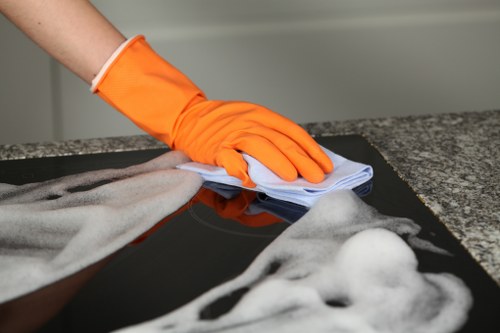
Deep cleaning goes beyond everyday tasks like wiping counters, vacuuming floors, and taking out the trash. It includes detailed attention to surfaces and zones that are usually skipped during standard upkeep. This may involve scrubbing grout, cleaning baseboards, sanitizing handles, degreasing appliances, dusting vents, and removing buildup from corners and crevices.
In practical terms, deep cleaning is the process of restoring a room or building to a much higher level of cleanliness than routine maintenance can achieve. It is especially useful during seasonal changes, after events, before moving in or out, or when a space has not been cleaned thoroughly for a while. For many property owners, deep cleaning services are the preferred choice when they need visible and measurable results.
Another important point is that deep cleaning is systematic. Instead of cleaning randomly, it follows a room-by-room or zone-by-zone plan. This structure ensures that no important areas are missed and that the final outcome is consistent throughout the property. That is one reason why search interest in deep cleaning continues to grow among homeowners, renters, and businesses alike.
Why Deep Cleaning Matters
There are several reasons why deep cleaning matters, and hygiene is only one of them. A deeply cleaned environment can feel more comfortable, look more attractive, and function better day to day. When dust, grease, and debris build up, surfaces wear out faster and indoor spaces can begin to feel stale. A thorough cleaning routine helps reverse that effect.
Health is another major reason to invest in deep cleaning. Dust mites, pet dander, mold spores, pollen, and bacteria can gather in carpets, upholstery, vents, and damp spaces. By removing these contaminants, deep cleaning may reduce triggers for allergies and support a healthier atmosphere overall. In offices and commercial settings, this can also contribute to a more productive environment.
There is also the matter of protection. Regular deep cleaning can preserve materials like tile, stainless steel, wood, fabric, and glass. Grime left untreated can stain finishes, weaken fibers, and create long-term maintenance problems. By staying ahead of buildup, property owners can protect their investment and avoid costly repairs or replacements.
Key Areas Covered in Deep Cleaning
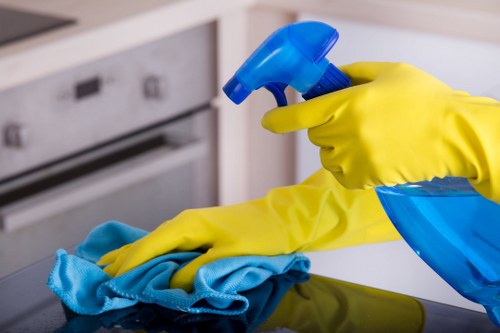
A proper deep cleaning plan usually covers every important room and surface, with special attention given to problem areas. The exact checklist may vary depending on the property, but certain locations almost always deserve extra focus. Kitchens, bathrooms, living areas, bedrooms, and entry points all accumulate hidden dirt in different ways.
In the kitchen, deep cleaning may include inside and outside of cabinets, appliances, backsplashes, sinks, faucets, and under-counter spaces. Bathrooms often require intensive scrubbing of grout lines, tiles, toilets, showers, tubs, mirrors, drains, and fixtures. Living spaces may need dust removal from ceiling fans, light switches, vents, shelving, and upholstery.
Deep cleaning services frequently include tasks such as:
- Sanitizing high-touch surfaces
- Removing grease from kitchen appliances
- Scrubbing bathroom fixtures and tile
- Vacuuming and steaming carpets or rugs
- Dusting baseboards, vents, and trim
- Cleaning under furniture and behind appliances
- Polishing glass, mirrors, and stainless steel
Deep Cleaning for Different Spaces
Homes
For homeowners, deep cleaning can transform the atmosphere of a living space. It helps remove the buildup that routine cleaning may overlook, especially in busy households with children, pets, or frequent guests. A home deep cleaning often includes detailed work in bedrooms, kitchens, bathrooms, hallways, and communal living areas.
Seasonal deep cleaning is especially popular because it aligns with times when households naturally reorganize and refresh their spaces. It can also be helpful before holidays, after renovations, or before hosting gatherings. Many families prefer to schedule deep cleaning at least a few times per year to maintain a healthier and more pleasant home environment.
Offices
Workplaces benefit greatly from deep cleaning because they tend to have shared surfaces and heavy daily use. Desks, conference tables, break rooms, restrooms, and reception areas all collect germs and dust quickly. A structured office deep cleaning can improve hygiene and create a more professional first impression for clients and visitors.
Clean offices can also support staff morale. Employees often feel more comfortable and focused in tidy, well-maintained spaces. That is why businesses increasingly prioritize deep cleaning as part of their property care strategy rather than treating it as an occasional luxury.
Rental and move-related spaces
Move-in and move-out situations are among the most common reasons people request deep cleaning. Before new occupants arrive, every surface should be inspected and cleaned thoroughly. For outgoing tenants, deep cleaning can help meet lease obligations and leave the property in better condition. In both cases, attention to detail matters.
How Deep Cleaning Differs from Regular Cleaning
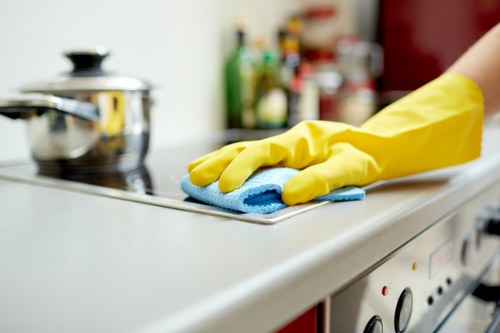
Regular cleaning and deep cleaning serve different purposes. Routine cleaning is designed to maintain basic order and hygiene on a frequent basis. It typically includes tasks such as sweeping, mopping, wiping counters, dusting visible surfaces, and cleaning bathrooms at a surface level. Deep cleaning, on the other hand, tackles built-up dirt and less accessible areas.
Think of regular cleaning as maintenance and deep cleaning as restoration. Both are important, but they are not interchangeable. If a property is only surface-cleaned for long periods, hidden grime will eventually become noticeable and harder to remove. Deep cleaning interrupts that cycle by resetting the condition of the space.
Another difference is the time required. A basic cleaning visit may be completed quickly, while deep cleaning services usually take longer because they include more detailed labor. That extra time is worthwhile because it produces a more thorough result and makes future routine cleaning easier.
Benefits of Deep Cleaning
The benefits of deep cleaning are both immediate and long-term. Right away, spaces look brighter, smell fresher, and feel more organized. Over time, regular deep cleaning can help prevent damage, reduce clutter-related stress, and support better everyday living or working conditions. That combination of visual and practical value makes deep cleaning one of the smartest investments in property care.
One major benefit is improved hygiene. By removing dust, mold, bacteria, and allergens from hidden spaces, deep cleaning can contribute to a cleaner indoor environment. This is especially important in homes with young children, elderly residents, or anyone sensitive to dust and airborne irritants.
Another benefit is improved efficiency. When a space is thoroughly cleaned, it becomes easier to maintain. Surfaces resist buildup better, and routine tasks become faster because there is less grime to tackle. This is why many property managers and business owners choose recurring deep cleaning schedules.
- Better indoor air quality
- Reduced allergens and dust
- Enhanced appearance and freshness
- Longer lifespan for surfaces and furnishings
- Improved comfort for residents, staff, and visitors
- Less stress from clutter and visible buildup
What a Professional Deep Cleaning Process May Include
Professional deep cleaning services usually begin with an assessment of the property. This helps determine which rooms need extra attention and what cleaning methods are appropriate for different materials. After that, the team typically works from top to bottom, so dust and debris fall onto areas that have not yet been cleaned.
The process may include dusting ceiling fans and light fixtures, wiping walls and doors, scrubbing tiles, cleaning inside appliances, disinfecting switches and handles, vacuuming upholstered furniture, and polishing fixtures. In kitchens, degreasing and sanitizing are often major priorities. In bathrooms, disinfection and mineral deposit removal are usually essential.
Some providers also offer specialized treatments such as carpet extraction, mattress cleaning, oven cleaning, and refrigerator cleaning. These add-on tasks can make a noticeable difference, especially in spaces that experience heavy use. For best results, deep cleaning should be adapted to the property type and the condition of the surfaces involved.
Typical steps in a structured deep cleaning session
- Declutter the area and remove loose items
- Dust and clean high surfaces first
- Address hidden areas and behind furniture
- Scrub and disinfect kitchens and bathrooms
- Vacuum, mop, or extract floor surfaces
- Finish with polishing and final touch-ups
How Often Should Deep Cleaning Be Done?
The ideal frequency for deep cleaning depends on how the space is used. Homes with pets, children, or high foot traffic may need deep cleaning more often than quiet households. Offices, retail locations, and shared facilities may need scheduled deep cleaning on a monthly, quarterly, or seasonal basis.
For many residential spaces, a good starting point is every three to six months. Some people prefer to deep clean in spring and fall, while others schedule it around special events, moving dates, or major life changes. Commercial spaces often require more frequent attention because they experience heavier daily use.
Rather than relying on guesswork, it helps to observe signs that your environment needs a deeper reset. If surfaces feel sticky, dust returns quickly, smells linger, or cleaning tasks seem harder than usual, it may be time to arrange a full deep cleaning.
Signs it is time for a deep cleaning
- Dust collects quickly after routine cleaning
- Grout, tile, or fixtures look dull or stained
- Odors remain even after basic cleaning
- Kitchens or bathrooms show visible buildup
- Carpets and upholstery look tired or feel dusty
- Shared areas appear less inviting than they should
DIY Deep Cleaning vs. Professional Services
Some people prefer to handle deep cleaning themselves, especially for smaller homes or straightforward tasks. A DIY approach can work well if you have the time, tools, and energy to commit to the process. With a clear checklist and the right supplies, many areas can be refreshed effectively.
However, professional deep cleaning services offer several advantages. They bring experience, efficiency, and specialized equipment that can improve results. Professionals often know how to handle delicate materials, remove stubborn buildup, and work more quickly without sacrificing quality. For large properties, busy households, or spaces with significant buildup, hiring experts can save a great deal of time and effort.
The best choice depends on your goals. If you want periodic maintenance and enjoy doing the work yourself, DIY may be enough. If you need a high-level finish, are preparing a property for sale or rental, or simply want a truly refreshed environment, professional deep cleaning may be the better option.
Creating an Effective Deep Cleaning Plan
A successful deep cleaning plan starts with prioritizing the most important spaces. Kitchens and bathrooms usually come first because they accumulate grime more quickly and have more sanitation needs. After that, living spaces, bedrooms, and entryways can be addressed in order of use and visibility.
It also helps to use a checklist. A list keeps the process organized and prevents missed tasks. You can divide the work by room, by surface type, or by task category. If you are managing the project yourself, breaking it into smaller segments can make the job feel less overwhelming.
Another smart strategy is to pair deep cleaning with decluttering. Removing unused items makes surfaces easier to reach and can dramatically improve the final result. In many cases, the best deep cleaning outcomes happen when cleaning and organization work together.
Helpful planning tips
- Start with high-priority rooms
- Gather all supplies before beginning
- Work from top surfaces downward
- Use safe products for each material
- Schedule enough time for drying and finishing
- Repeat the process seasonally or as needed
Supplies Commonly Used in Deep Cleaning
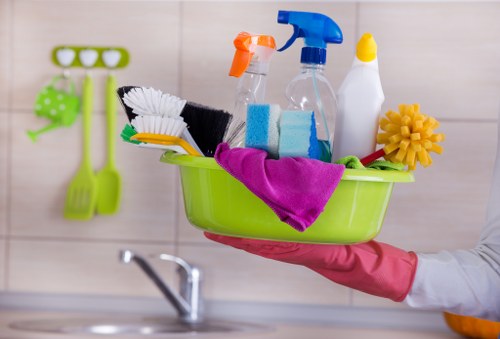
The right supplies can make deep cleaning more effective and less time-consuming. While many tools are familiar, some are especially useful for detailed work. Microfiber cloths, scrub brushes, vacuum attachments, disinfectants, degreasers, and floor care products all play important roles.
For different surfaces, it is important to choose products carefully. Harsh chemicals can damage delicate finishes, while gentle solutions may not be strong enough for serious buildup. Reading labels and testing products in an inconspicuous area can prevent problems. In professional settings, trained cleaners typically adjust products based on the specific material and condition.
Useful tools may include:
- Microfiber cloths and dusters
- Detail brushes and grout brushes
- Vacuum with attachments
- Mop and bucket system
- Degreasing and disinfecting solutions
- Steam cleaner or extractor for fabric and carpet
- Protective gloves and safety gear
Why Deep Cleaning Supports Long-Term Maintenance
One of the most overlooked advantages of deep cleaning is how much easier it makes future maintenance. When buildup is removed regularly, routine cleaning becomes faster and more effective. This means less scrubbing, fewer stains, and a lower chance of long-term damage. In many cases, deep cleaning pays for itself by reducing wear and improving the condition of the property.
This is especially true for high-use spaces. Kitchens, bathrooms, lobbies, and offices all benefit from periodic reset cleaning because these areas are exposed to constant activity. By staying ahead of grime, you preserve not only cleanliness but also the quality and lifespan of the space.
For property owners who care about presentation, maintenance, and hygiene, deep cleaning is not an occasional extra. It is a smart part of a reliable property care routine. If you want your environment to look better, feel better, and perform better, book your service now and take the next step toward a cleaner space.
Final Thoughts on Deep Cleaning
Deep cleaning is one of the most effective ways to restore freshness, improve hygiene, and protect the value of your property. It reaches hidden areas, removes stubborn buildup, and creates a cleaner foundation for everyday upkeep. Whether you need help with a home, office, or rental property, the results can be immediate and lasting.
By combining routine upkeep with periodic deep cleaning services, you create a healthier and more manageable environment. The process supports better living conditions, makes spaces more welcoming, and reduces the effort required to keep everything in shape. If your home or workplace is ready for a reset, contact us today to take the first step toward a noticeably cleaner result.